
The journal
Notes on skin, ingredients & evidence.

Featured · Science · 11 min
Peptides, Honestly: What They Do for Firmness — and How to Layer Them
The mechanism is well understood. The clinical evidence is thinner than the marketing suggests. Here is what peptides can reasonably do, and how to use them so they get the chance.
Read article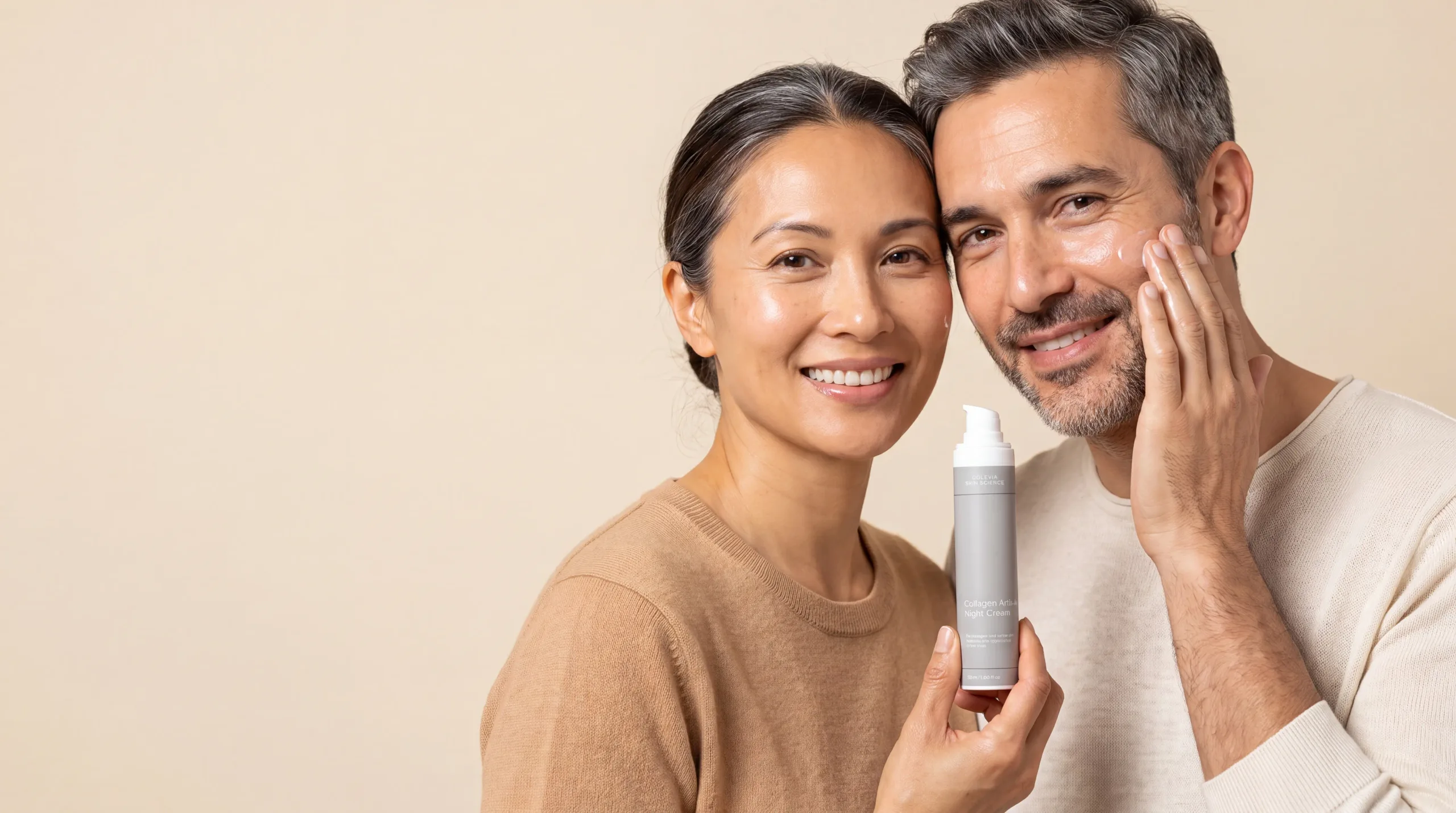
Science · 10 min
Retinol Alternatives, Honestly: Bakuchiol vs Retinol, and What Is Actually in the Bottle
“Retinol alternative” is a marketing phrase, not an ingredient. Bakuchiol has one good head-to-head trial against retinol. Most other alternatives have laboratory data only. Here is how to tell which you are buying.
Science · 14 min
Niacinamide Gel, Honestly: What 5% Does, Who a Gel Suits — and What Is in Ours
Niacinamide is one of the better-studied ingredients in skincare — at 5%, not 20%, and mostly by the companies that sell it. Here is what a niacinamide gel can reasonably do, who the texture suits, and who should skip it.

Science · 13 min
The Skin Barrier, Honestly: What Repairs It, How Long It Takes — and What Is in Our Ceramide Cream
A damaged barrier is the most over-diagnosed thing in skincare and one of the few that genuinely responds to doing less. Here is what the evidence supports, and the one thing our own ceramide cream does not contain.

Science · 15 min
Kojic Acid vs Alpha-Arbutin, Honestly: What Fades Dark Spots, How Long It Takes — and the EU Limits on Both
Two of the most common dark-spot ingredients in European skincare, compared on the actual evidence: what each was tested on, which one irritates more, how long they take, and why neither can be sold above 1% or 2% in the EU any more.

Science · 11 min
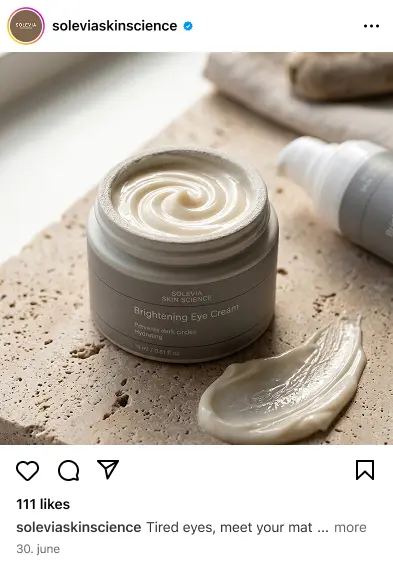
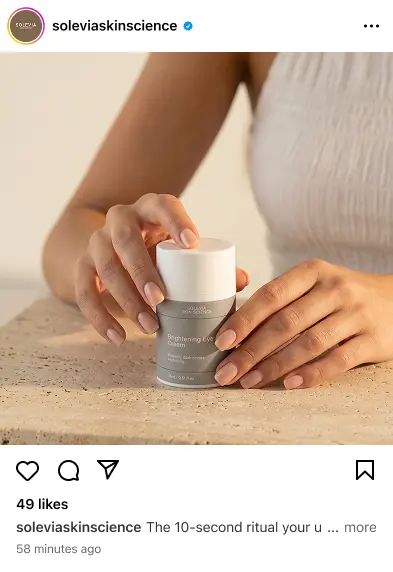
Eye Cream and Caffeine, Honestly: What Helps Puffiness, What Helps Dark Circles — and What Needs a Doctor
Puffiness and dark circles are different problems, dark circles come in four kinds, and caffeine suits only one of them. A 10-second test to tell yours apart, what the evidence on eye creams really shows, and what is in ours.

Science · 15 min
Glycolic Acid vs Lactic Acid, Honestly: Which One, How Often — and the Sun Warning on Both
The two most popular exfoliating acids, compared on the trials rather than the marketing: what each does, which one stings less, how often to use them, how long results take — and why both need sunscreen.

Science · 10 min
Zinc PCA vs Niacinamide, Honestly: Which One for Oily Skin — and Do You Need Both?
Two ingredients sold for shine and oily skin, compared on what was tested on people and what was only tested in a dish — plus the EU limit on zinc, and exactly what is in our two gels.

Science · 16 min
Skincare Ingredients Banned in Europe, Honestly: What the Law Says About 32 of Them
Retinol, hydroquinone, benzoyl peroxide, aluminium, Vaseline, parabens, sunscreen filters: which are banned in EU cosmetics, which are only limited, and what the “1,300 vs 11” comparison leaves out. Checked against the regulation itself.

Routines · 11 min
Face Oil Before or After Moisturiser, Honestly: Where It Goes, and Whether You Need One
Oil goes after moisturiser at night and never on top of sunscreen. Why the order matters, what nobody has measured, whether an oil can replace a cream, and where the lists of pore-clogging oils really come from.

Routines · 11 min
When to Start Using Eye Cream, Honestly: Do You Need One, and How to Use It
There is no right age for eye cream. When one earns its place, when your face cream will do, which goes first, how to apply it, and why eyelids are where fragrance allergies tend to show.

Science · 8 min
Is Fragrance Bad for Your Skin, Honestly? Parfum, Linalool and the New EU Allergen Labels
Fragrance is a problem for people who are allergic to it, and an allergy is for life. What parfum, linalool and limonene on a label mean, why oxidation matters, what the 2026 EU rules change, and which of our products are fragrance-free.

Science · 8 min
Hyaluronic Acid vs Glycerin, Honestly: Which Hydrates Better, and Why Yours Might Feel Dry
Both draw water into the skin. Glycerin has the stronger evidence; hyaluronic acid's trials are small and often industry-run. What the studies show, whether HA dries skin out in dry air, how to use both, and what is in ours.

Science · 11 min
Niacinamide 2%, 5% or 10%, Honestly: Which Strength the Evidence Supports
Niacinamide is sold from 2% to 20%. The trials behind it used 2% to 5%, one used 10% in a mixture, and none compared 10% with 5%. Every strength that has been tested in people, what it did, and the best percentage for your skin.

Science · 10 min
What Not to Mix With Niacinamide, Honestly: Retinol, Vitamin C, Acids and More
Almost nothing. Niacinamide has been tested in the same routine, or the same product, as retinoids, vitamin C, salicylic and lactic acid, benzoyl peroxide and arbutin. What the trials show, the one real caution, and the order to apply them.

Routine · 9 min
Micellar Water, Honestly: Do You Need to Rinse It Off, and What It Can’t Remove
Usually you don’t need to rinse micellar water off. But it was not tested in the one study we found on removing sunscreen, it struggles with waterproof make-up, and whatever you leave on stays on. When to rinse, and when a biphasic remover is the better tool.

Science · 8 min
Ascorbyl Glucoside vs Ascorbic Acid, Honestly: Which Vitamin C Works, and Why Serums Turn Orange
Ascorbic acid has the stronger evidence on faces but breaks down fast and needs a low pH. Ascorbyl glucoside is stable and gentle, and works at 2% in the laboratory, but has almost no face trials of its own. What the studies show, why serums turn orange, and when to use yours.

Routine · 7 min
Night Cream vs Day Cream, Honestly: Do You Really Need Both?
There is no legal difference between a night cream and a day cream. What changes in skin overnight, when one moisturiser is enough, when a richer night cream earns its place, and why a collagen cream cannot rebuild your collagen.